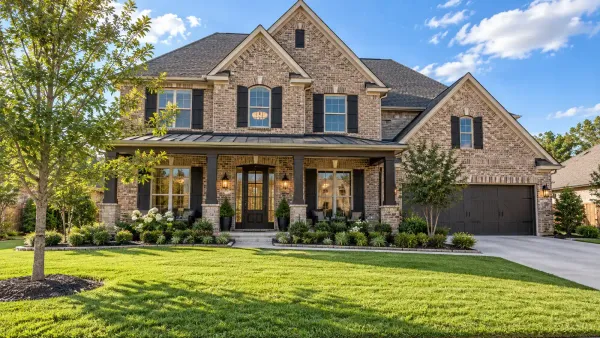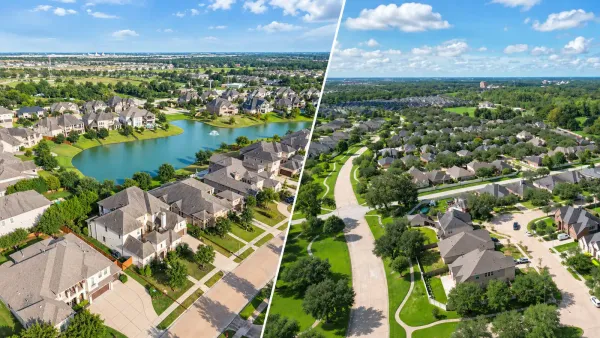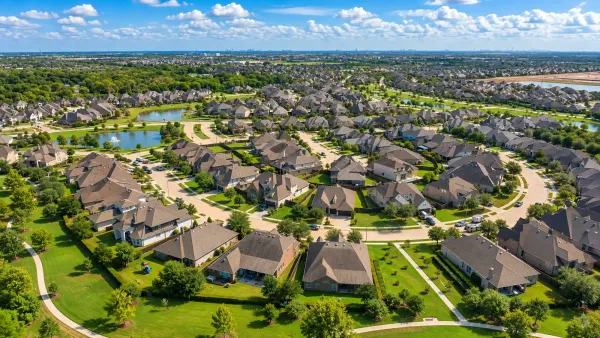

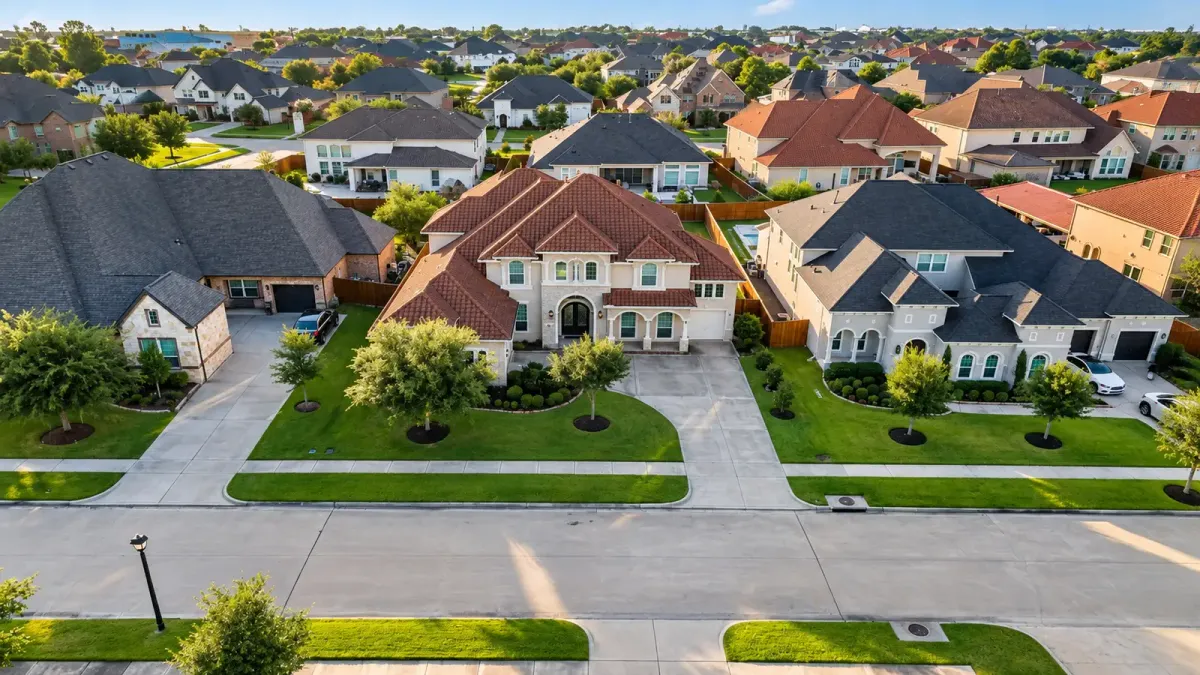
Katy is not one place. It spans three counties and is served by two different school districts, which means two homes with the same Katy zip code can sit in different tax jurisdictions and feed into different high schools. The zip code does not tell you what you’re buying. The exact address does, and verifying it before you write an offer is the single most important thing you can do here.
I’m Miguel Gutierrez, a realtor here in Houston with eXp Realty and Texas Homes Sold Group, and I live and work right here in Fort Bend County. Here are the five things you need to know before moving to Katy. The first one is the mistake I see out-of-state buyers make more than anything else.
1. Katy spans three counties, and that changes everything
When people say Katy, Texas, they picture one city. One place on the map.
Here’s the reality. Katy actually spans three different counties: Harris County, Fort Bend County, and Waller County.
Two homes can both be listed as Katy, Texas, share the same zip code, sit in the same general neighborhood, and still be in completely different tax jurisdictions, different school districts, and served by different city services entirely.
This is the biggest mistake I see out-of-state buyers make. They search homes in Katy. They fall in love with a price point and a community. And they don’t realize until much later that they’re in a different county than they assumed, with different property tax rates and different school zoning than they were counting on.
This is exactly why working with someone local matters. You need somebody who can pull up a specific address and tell you which county you’re in, which school district serves that home, and what your property tax rate is actually going to be. Rates are public record through the Harris County Appraisal District and the Fort Bend Central Appraisal District depending on where the home lands.
Don’t assume. Verify, every single time.
2. A Katy address does not guarantee Katy ISD
This one is directly connected to the counties, and families get it wrong more than anything else.
Katy ISD is one of the most well-known and highly regarded districts in the entire state of Texas. When families hear they’re moving to Katy, a lot of them automatically assume Katy ISD comes with it.
That is not always the case. Both Katy ISD and Fort Bend ISD serve parts of what people casually call Katy, and these two districts are not interchangeable. Different boundaries. Different ratings. Different feeder patterns from elementary all the way up to high school.
Here’s a scenario I’ve watched play out in real life. A family falls in love with a neighborhood. The community looks great, the neighbors have kids the same age, everything feels right. They write an offer. They close. They move in. Then they find out their specific street is zoned to a completely different high school than the one they thought they were buying into.
That’s a painful conversation to have after the fact.
So here’s my advice, and I give it to every single client. Verify the exact school zoning for the specific address before you write an offer. Not the neighborhood. Not the zip code. The address. Most districts have a zoning lookup tool on their website, so use it, and if you’re not sure, ask your realtor to verify it for you before you move forward.
This is one of those details that is very easy to check in advance and very hard to undo after closing. The same problem shows up next door in Fulshear, where a single community gets split block by block, which I covered in our Fulshear guide.
3. Real commute numbers, and a trick for checking them yourself
Katy sits roughly 30 miles west of downtown Houston, primarily via I-10. Outside peak hours you’re looking at about 30 to 40 minutes downtown. During rush hour that can stretch well beyond 40 minutes depending on the day, the time, and whatever is happening on the road.
| Destination | Typical drive | Primary route |
|---|---|---|
| Downtown Houston | 30 to 40 minutes off-peak, longer at rush hour | I-10 |
| George Bush Intercontinental (IAH) | 50 to 80 minutes | Highway 99 and Beltway 8, or the Hardy Toll Road |
| William P. Hobby (HOU) | 45 to 60 minutes, about 40 to 50 miles | I-10 east to 610 south, or Highway 59 to 610 |
Here’s something I always tell buyers planning a commute. Drive time depends heavily on the specific day of the week and your departure time, not just distance. A lot of people assume leaving 30 minutes earlier automatically gets them there faster. That isn’t always true, because an accident or a bottleneck that hasn’t cleared yet can make an earlier departure slower than a later one.
Google Maps lets you enter a scheduled departure time and day of the week to get an estimated drive time for that exact window. Use it before you commit to a neighborhood based on commute assumptions.
As for the roads you’ll use daily, it depends which side of Katy you land on. The Westpark Tollway serves the southern side, including areas like Cinco Ranch and Cane Island. Highway 99, the Grand Parkway, runs north to south through Katy and connects to nearly every other major highway in the region. I-10 runs east to west as the primary route into downtown and the Energy Corridor.
One more thing worth knowing: HOV and HOT lanes are available on I-10 for commuters who carpool or are willing to pay the toll. If you’re commuting into Houston regularly, those lanes can meaningfully cut travel time during peak hours, and that’s worth factoring in before you decide where to plant roots.
4. What it actually costs to live here
This is the one that surprises people most when they dig into real numbers.
Katy’s overall cost of living score sits at 96.9, about 3.1 percent below the US average. Nationally speaking, Katy is an affordable place to live. It does come in about 2.9 percent above the Texas state average, so compared to other parts of the state it isn’t the cheapest option.
Here are the numbers that actually help you plan:
- Family of four: approximately $83,520 a year, about $6,960 per month, to live comfortably
- Single person: approximately $60,000 a year, about $5,000 per month
- Typical home price: around $435,500
- Two-bedroom rental: approximately $1,790 per month
The important part is that the higher cost is not spread evenly. It’s concentrated in one category, and that category is housing. Home prices and rents run above both the Texas and national averages, while groceries, utilities, and most day-to-day expenses run close to or below the national average.
So the picture isn’t that Katy is expensive across the board. Katy is expensive specifically in housing, while the rest of your monthly budget is quite reasonable by comparison.
The way I frame it for clients: come into Katy knowing housing is where you’ll spend more. Plan for it, budget for it, and understand that once you’ve accounted for it, the rest of the cost of living here is manageable and in many categories favorable.
5. There is no one Katy, there are several
Here’s something I tell every client relocating here. Depending on which side of town you land on, you’re getting a completely different price point and a completely different lifestyle.
East side: established and proven. Cinco Ranch, Kelliwood, and Grand Lakes. Mature trees, proven resale value, and price points running from the $300s up into the millions in the premium sections. This is where you go if you want a neighborhood that’s already built out with a long track record behind it.
Northwest: new construction country. Elyson and Sunterra. Elyson gives you resort-style amenities and miles of trails, with pricing that starts more accessible in the $300s and climbs from there. Sunterra’s claim to fame is its Crystal Lagoon, a massive Caribbean-blue swimming amenity that has become one of the most talked about features in all of Katy.
Southwest: first-time buyer territory. Tamarron and Firethorne. This is where a lot of first-time buyers land, because you get flexible floor plans and competitive new construction pricing while still getting access to Katy ISD schools, without the premium attached to the more established east side.
So whether you’re a first-time buyer looking for the most house for your money, a growing family that wants brand new construction and resort-style amenities, or someone who wants mature trees and rock-solid resale value, there’s a side of Katy built for you. That’s really the whole story of this city. It isn’t one neighborhood. It’s several different lifestyles operating under the same zip codes.
If you’re weighing new construction specifically, here’s more on buying new construction in Fort Bend County. And if you’re deciding between Katy and a market where your dollar stretches further, I put the two side by side in our Katy vs Richmond comparison.
Frequently Asked Questions
What county is Katy, Texas in?
Katy spans three counties: Harris, Fort Bend, and Waller. Two homes with the same Katy zip code can sit in entirely different counties, which means different property tax rates, different school districts, and different city services. Always verify the county for the specific address rather than relying on the zip code.
Is a Katy, Texas address always in Katy ISD?
No. Both Katy ISD and Fort Bend ISD serve parts of what people casually call Katy, and the two districts have different boundaries, ratings, and feeder patterns. Families regularly close on a home only to discover their street zones to a different high school than expected. Use the district’s zoning lookup tool for the exact address before writing an offer.
How long is the commute from Katy to downtown Houston?
Katy sits roughly 30 miles west of downtown, about 30 to 40 minutes via I-10 outside peak hours and well beyond 40 minutes during rush hour. Bush Intercontinental runs 50 to 80 minutes and Hobby Airport 45 to 60 minutes. HOV and HOT lanes on I-10 can meaningfully cut peak-hour travel time for carpoolers or drivers willing to pay the toll.
How much does it cost to live in Katy, Texas?
Katy’s cost of living score is 96.9, roughly 3.1 percent below the national average but about 2.9 percent above the Texas average. A family of four needs approximately $83,520 a year, or $6,960 a month, and a single person around $60,000 a year. The typical home price is about $435,500 and a two-bedroom rental averages $1,790 a month.
What are the best neighborhoods in Katy, Texas?
The east side holds the established communities like Cinco Ranch, Kelliwood, and Grand Lakes, with mature trees and proven resale from the $300s into the millions. The northwest is new construction territory with Elyson and Sunterra, the latter known for its Crystal Lagoon. The southwest, including Tamarron and Firethorne, offers competitive new construction pricing with Katy ISD access.
Which part of Katy is best for first-time buyers?
The southwest side, particularly Tamarron and Firethorne, tends to work best for first-time buyers. Those communities offer flexible floor plans and competitive new construction pricing while still providing access to Katy ISD schools, without the price premium attached to the established east side neighborhoods.
Why does the exact address matter more than the zip code in Katy?
Because county lines and school attendance boundaries cut through neighborhoods and even individual streets in Katy. The same zip code can contain homes in different counties with different tax rates and homes zoned to different districts. Two houses across the street from each other can carry meaningfully different annual costs and send children to different schools.
Thinking about a move to Katy?
Send me the addresses you’re considering and I’ll verify the county, the school zoning, and the actual property tax rate on each one before you tour. That’s a 10-minute check on my end that saves buyers from a conversation nobody wants to have after closing.
If you have a place to sell first, find out what your home is worth. If you’re early in the process, start with buying a home in the Houston area. That’s exactly what Jacob and I do every single day.